The Future of Forex in 2025 and Beyond: Trends to Watch


Introduction

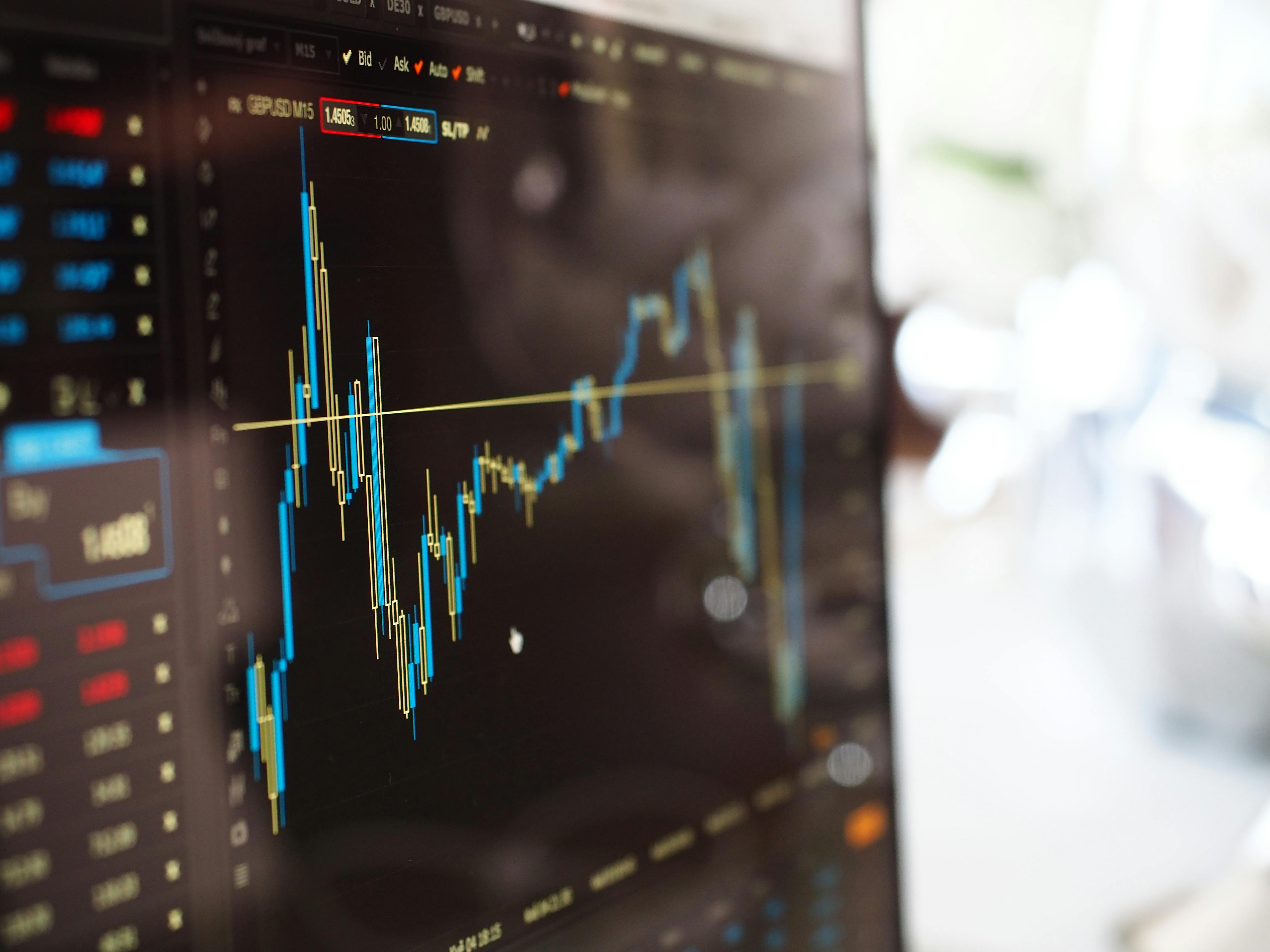
The forex market is constantly evolving. With technological advancements, global economic shifts, and changing regulations, traders need to stay ahead of the curve. Understanding emerging trends in forex can help traders make smarter decisions and capitalize on new opportunities.

This article explores the future of forex in 2025 and beyond and highlights the key trends that could shape the market.

 https://images.pexels.com/photos/159888/pexels-photo-159888.jpeg


1. Increased Use of Artificial Intelligence (AI) and Machine

Automated Forex Trading and Robots: Are They Worth It?


Introduction

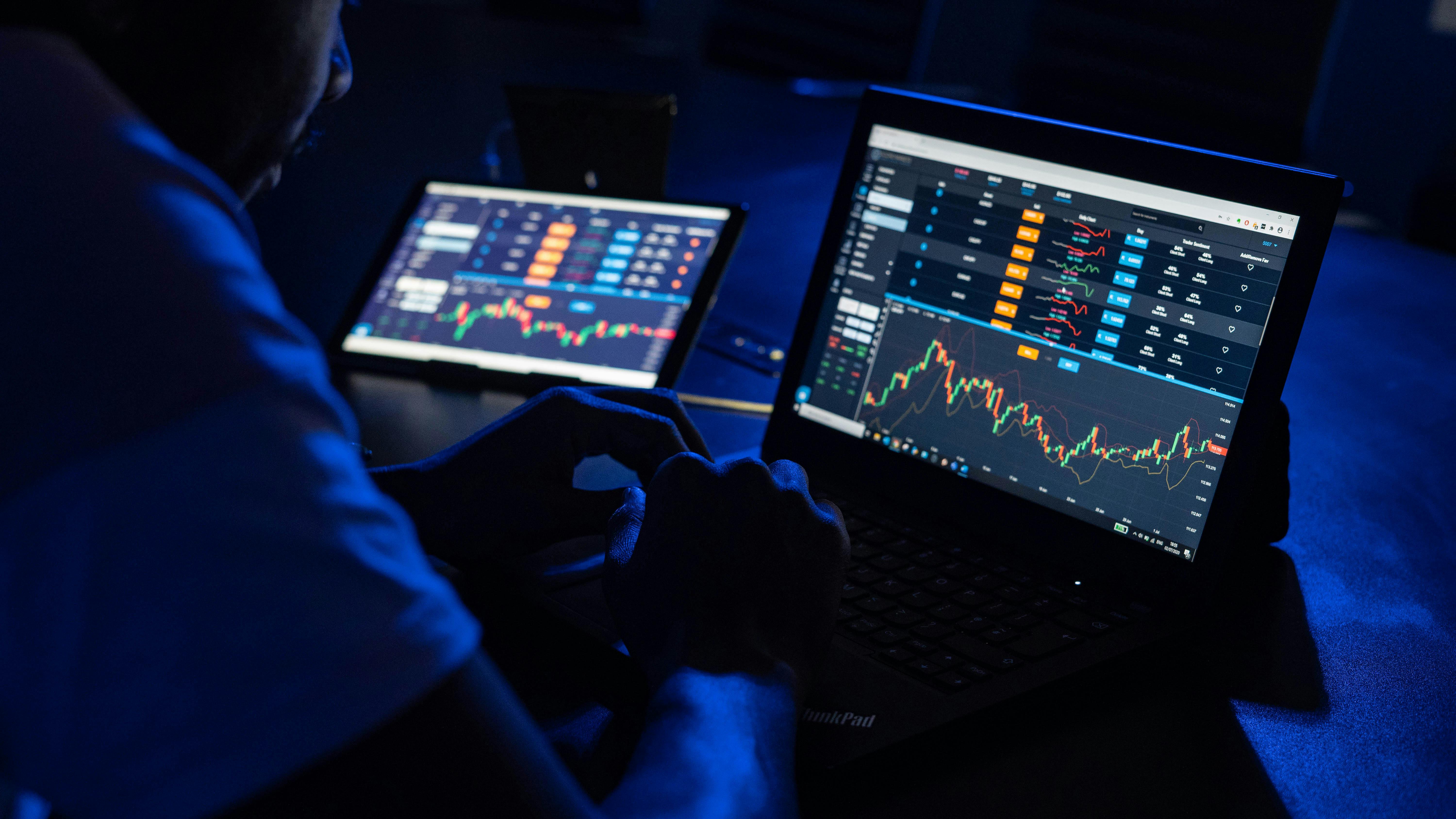
The rise of technology has revolutionized forex trading. Automated trading systems, also known as forex robots or Expert Advisors (EAs), allow traders to execute trades automatically based on pre-defined rules.

But the question many traders ask is: Are forex robots really worth it? This guide explores the advantages, risks, and practical considerations of automated forex trading.

 https://images.pexels.com/photos/18706593/pexels-photo-18706593.jpeg


1. What is Automated Forex Trading?

Psychology of Forex Trading: Mastering Emotions for Profit


Introduction

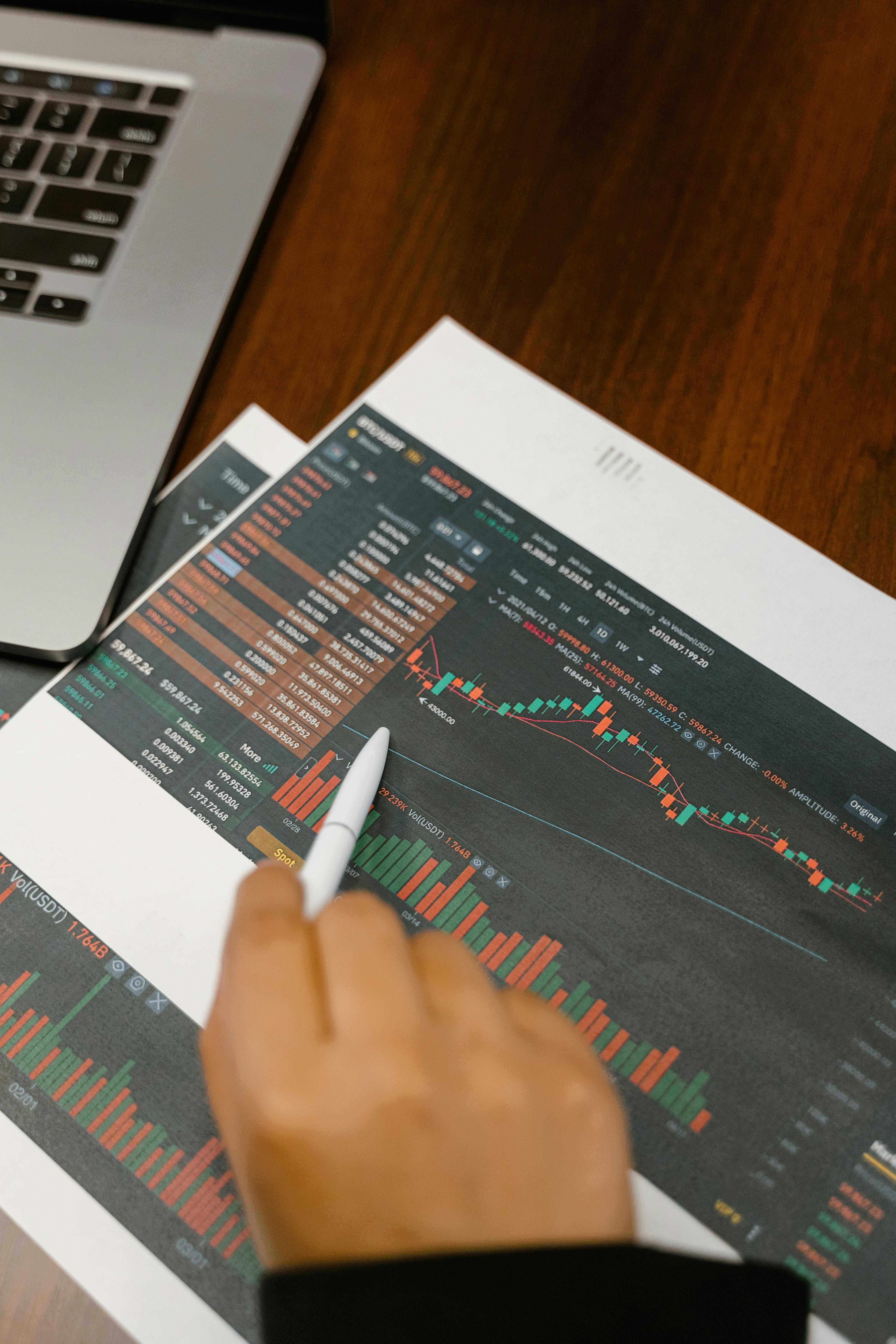
Forex trading isn’t just about strategies, charts, or technical indicators – it’s largely about psychology. Emotions like fear, greed, and impatience often lead traders to make poor decisions, even if they have a solid strategy.

Mastering your emotions is critical for long-term profitability. This guide will explore the psychology of forex trading and share tips to control emotions, stay disciplined, and maximize your profits.

https://images.pexels.com/photos/7567224/pexels-photo-7567224.jpeg

How to Read and Analyze Forex Charts Like a Pro


Introduction

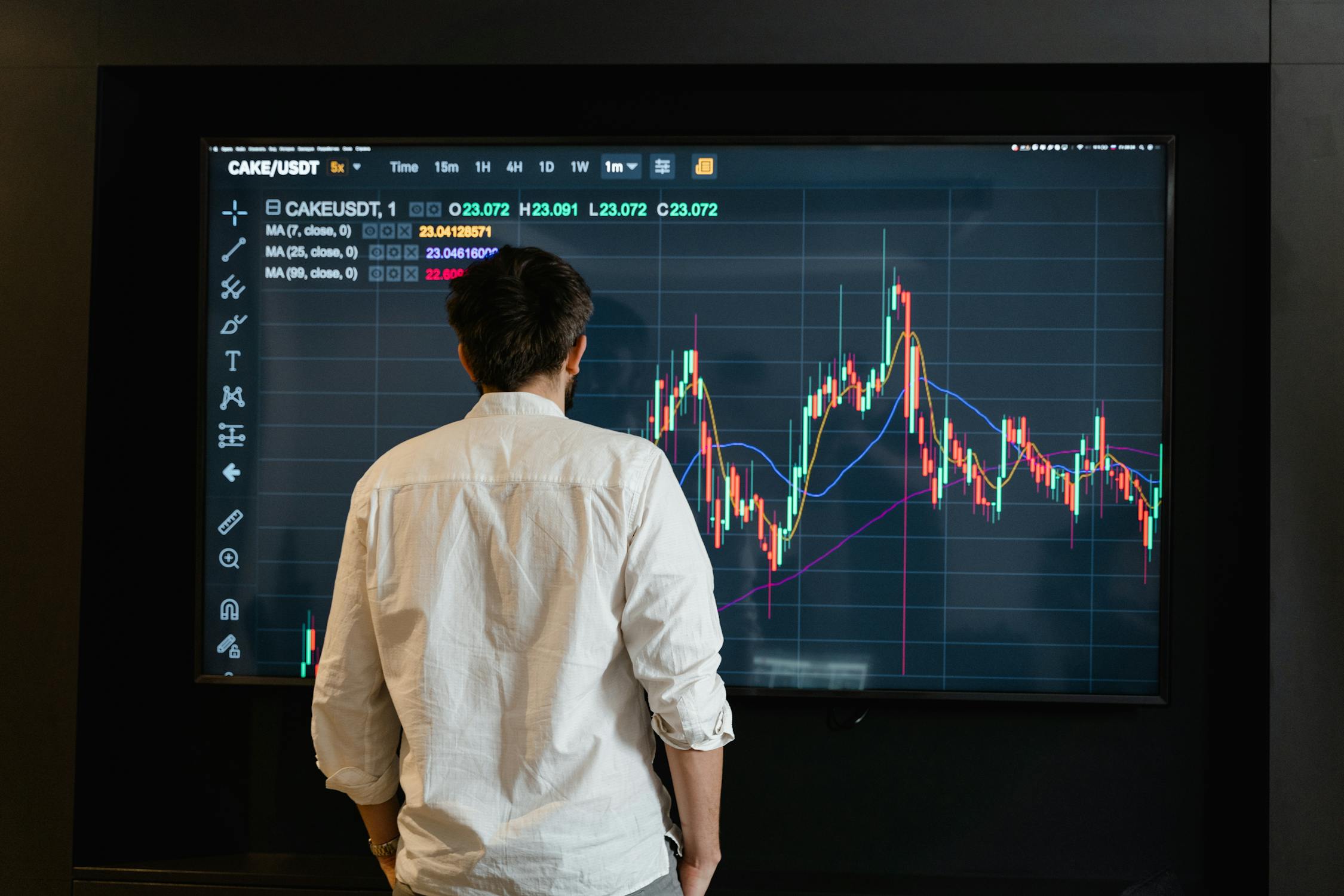
Forex trading is not just about guessing price movements – it’s about analyzing charts and identifying patterns. Charts provide visual representations of price action, helping traders make informed decisions. Learning how to read and interpret forex charts is essential for consistent profitability.

https://images.pexels.com/photos/7567522/pexels-photo-7567522.jpeg?auto=compress&cs=tinysrgb&w=1260&h=750&dpr=2 

This guide will teach you step-by-step techniques to analyze forex charts like a professional, including candlestick patterns, technical indicators, and trend analysis.


1.

Forex vs Crypto Trading: Which is More Profitable?


Introduction

In recent years, cryptocurrency trading has gained huge popularity alongside traditional forex trading. Many traders wonder: Should I trade forex or crypto? Which market is more profitable?

Both markets offer opportunities and risks. This article will compare forex vs crypto trading across key aspects such as volatility, liquidity, leverage, trading hours, and profit potential to help you make an informed decision.


https://images.unsplash.com/photo-1605902711622-cfb43c4437b5?ixlib=rb-4.0.3&auto=format&fit=crop&w=800&q=80 


1. Market Size and Liquidity

Forex

  • The forex market is the largest financial market in the world, with over 7 trillion USD traded daily.

  • High liquidity ensures tight spreads and easy order execution, even for large trades.

Crypto

  • Cryptocurrency markets are smaller and less liquid than forex.

  • Popular coins like Bitcoin and Ethereum are liquid, but altcoins can have wide spreads and slippage.

Winner: Forex for stability and liquidity.


2. Volatility

Forex

  • Forex prices are influenced by economic data, central bank decisions, and geopolitical events.

  • Generally, forex is less volatile than crypto, which allows for more controlled trading.

Crypto

  • Cryptocurrencies are highly volatile, sometimes moving 10% or more in a single day.

  • High volatility can result in large profits, but also significant losses.

Winner: Crypto for potential high profits, but riskier.


3. Trading Hours

Forex

  • Forex is a 24-hour market, 5 days a week, covering multiple global trading sessions (Asia, Europe, US).

Crypto

  • Cryptocurrency trading is 24/7, including weekends.

  • Constant trading allows opportunities any time, but requires vigilance.

Winner: Crypto for nonstop opportunities.


4. Leverage

Forex

  • Forex brokers offer leverage ranging from 1:30 (regulated EU brokers) to 1:500 in offshore accounts.

  • Leverage increases both profits and risks, so risk management is essential.

Crypto

  • Crypto exchanges offer leverage up to 1:100 or higher, but many exchanges are unregulated.

  • High leverage combined with extreme volatility can quickly wipe out your account.

Winner: Forex for safer leveraged trading under regulation.


5. Regulation and Security

Forex

  • Forex brokers are highly regulated in major regions (FCA, ASIC, CySEC, NFA).

  • Regulatory oversight ensures fund protection and fair trading.

Crypto

  • Many crypto exchanges are unregulated, and security risks like hacks or fraud are higher.

  • Regulated crypto exchanges are emerging, but the market is still relatively young.

Winner: Forex for safety and regulation.


6. Profit Potential

Forex

  • Steady profits are possible using proper strategies, risk management, and analysis.

  • Forex is less likely to provide overnight “windfall” profits but allows consistent growth.

Crypto

  • Crypto’s extreme volatility can lead to massive gains in a short time, but also severe losses.

  • Suitable for risk-tolerant traders with strict risk management.

Winner: Crypto for high-risk high-reward, Forex for stable profits.


7. Strategies and Analysis

Forex

  • Heavily relies on technical analysis, fundamental analysis, and economic indicators.

  • Well-established strategies: trend following, breakout trading, scalping, swing trading.

Crypto

  • Analysis is similar to forex but more speculative.

  • News and social media trends can heavily influence prices.


Conclusion

Which is better: Forex or Crypto?

  • If you prefer regulated markets, lower risk, and long-term consistency, forex trading is more suitable.

  • If you are risk-tolerant, seeking high potential profits, and can handle extreme volatility, crypto trading may appeal to you.

Many traders combine both markets: forex for steady growth and crypto for speculative opportunities. Regardless of the market, risk management, discipline, and education are key to profitability.


forex vs crypto, forex vs bitcoin, forex vs cryptocurrency, forex or crypto trading, forex vs crypto profits, forex vs crypto volatility, forex vs crypto market, forex vs crypto risks, forex vs crypto returns, forex vs crypto trading strategies, forex vs crypto investment, forex vs crypto comparison, forex vs crypto liquidity, forex vs crypto advantages, crypto vs forex trading guide, bitcoin vs forex, ethereum vs forex, forex vs blockchain, crypto vs forex regulation, forex vs crypto future 

The Importance of Risk Management in Forex Trading


Introduction

Forex trading can be highly profitable, but it comes with significant risks. Many beginners focus on strategies and market predictions while ignoring risk management, which often leads to losses.

Risk management is the process of protecting your trading capital, controlling losses, and ensuring long-term success. This guide will explain why it’s essential, the key techniques, and how to implement them in your daily trading.

https://images.pexels.com/photos/6770775/pexels-photo-6770775.jpeg 


Why Risk Management Matters

  1. Protects Your Capital – The primary goal of trading is to survive in the market. Without proper risk control, a single bad trade can wipe out your account.

How to Make Money with Forex: Step-by-Step Guide


Introduction

The foreign exchange market (forex) is the largest and most liquid financial market in the world, with a daily trading volume exceeding 7 trillion USD. Many people are drawn to forex because of its accessibility, flexibility, and the potential to generate income from anywhere with just a laptop or smartphone.

https://images.pexels.com/photos/6770775/pexels-photo-6770775.jpeg 

But the question is: How do you actually make money trading forex?

This step-by-step guide will explain how forex trading works, the different ways to earn, and the essential skills and strategies you need to become a profitable trader.

Best Forex Brokers in 2025: How to Choose the Right One


Introduction

Choosing the right forex broker is one of the most important decisions a trader will ever make. A broker acts as your gateway to the forex market, providing you with a trading platform, leverage, spreads, and customer support. With hundreds of brokers available in 2025, knowing which ones are safe, regulated, and cost-effective can save you time, money, and stress.

In this guide, we will explore the best forex brokers in 2025, how to evaluate them, and the key factors every trader should consider before opening an account.


https://images.unsplash.com/photo-1605902711622-cfb43c4437b5?ixlib=rb-4.0.3&q=80&fm=jpg&crop=entropy&cs=tinysrgb 


Why Choosing the Right Broker Matters

  • Security of funds: A regulated broker ensures your deposits are protected.

  • Fair pricing: Low spreads and commissions mean more profit for you.

Top 10 Forex Trading Strategies That Actually Work


Introduction

One of the most important aspects of becoming a successful forex trader is having a solid trading strategy. A trading strategy acts as your roadmap, helping you decide when to enter a trade, when to exit, and how much risk to take. Without a clear plan, trading can quickly turn into gambling.

In this article, we will explore 10 proven forex trading strategies that beginners and experienced traders alike can use to increase their chances of making consistent profits.

 https://images.pexels.com/photos/6801872/pexels-photo-6801872.jpeg


1. 

What is Forex Trading? A Complete Beginner’s Guide


Introduction

Forex trading, short for “foreign exchange trading,” is the global marketplace for buying and selling currencies. It is one of the largest and most liquid markets in the world, with an estimated daily trading volume of over 7 trillion dollars. Unlike stock markets that operate in centralized exchanges, forex trading happens over-the-counter (OTC), meaning that traders and institutions deal directly with each other.

If you are a beginner interested in forex, this guide will explain everything you need to know: what forex is, how it works, the key concepts, risks, and strategies to start your journey.


What is Forex?

Forex stands for “foreign exchange.” In simple terms, it’s the process of exchanging one currency for another. For example:

  • If you travel from the US to Europe, you need to exchange US dollars (USD) for euros (EUR).

  • If you are a business importing products from Japan, you might need to exchange your currency into Japanese yen (JPY).

Traders and investors use these currency fluctuations to make profits. For example, if you buy EUR/USD at 1.05 and later sell it at 1.10, you make money from the difference.


Why Trade Forex?

  1. High Liquidity – With trillions traded daily, you can buy and sell easily.

  2. 24/5 Market – The forex market operates 24 hours a day, 5 days a week.

  3. Leverage – Brokers offer leverage, meaning you can control large positions with small capital.

  4. Accessibility – Anyone with an internet connection can start trading forex.


Key Concepts in Forex Trading

Currency Pairs

Forex is always traded in pairs, such as:

  • EUR/USD (Euro vs US Dollar)

  • GBP/JPY (British Pound vs Japanese Yen)

  • USD/CHF (US Dollar vs Swiss Franc)

The first currency is called the base currency, and the second is the quote currency.

Pips

A pip is the smallest unit of movement in forex prices. For most pairs, one pip equals 0.0001.

Lots

A lot is the size of your trade:

  • Standard lot = 100,000 units

  • Mini lot = 10,000 units

  • Micro lot = 1,000 units

Leverage

Leverage allows traders to open positions larger than their account balance. For example, 1:100 leverage means you can trade $10,000 with only $100 in your account.

⚠️ Note: Leverage increases both profits and risks.


How Does Forex Trading Work?

Forex trading doesn’t happen on a central exchange. Instead, it is conducted through:

  • Banks

  • Brokers

  • Online platforms

For example, if you think the euro will rise against the dollar, you buy EUR/USD. If the euro goes up, you make a profit. If it falls, you lose.


Major Types of Forex Pairs

  1. Major Pairs – Most traded pairs, always including USD (e.g., EUR/USD, GBP/USD).

  2. Minor Pairs – Currencies without USD but from major economies (e.g., EUR/GBP).

  3. Exotic Pairs – One major currency + one from a developing country (e.g., USD/TRY).


How to Start Forex Trading

  1. Choose a Reliable Broker – Ensure they are regulated by authorities like FCA (UK), CySEC (Cyprus), or NFA (US).

  2. Open a Trading Account – Demo accounts are recommended for beginners.

  3. Learn Trading Platforms – Most brokers use MetaTrader 4 (MT4) or MetaTrader 5 (MT5).

  4. Start Small – Begin with micro-lots to reduce risk.

  5. Develop a Strategy – Never trade without a clear plan.


Forex Trading Strategies for Beginners

  1. Day Trading – Opening and closing trades within the same day.

  2. Swing Trading – Holding trades for days or weeks based on trends.

  3. Scalping – Very short-term trades, lasting seconds or minutes.

  4. Trend Following – Trading in the direction of the market trend.


Risks in Forex Trading

  • High Volatility – Currency prices can change rapidly.

  • Leverage Risk – Small moves can cause large losses.

  • Broker Risk – Some unregulated brokers may scam traders.

  • Psychological Stress – Fear and greed often lead to mistakes.


Tips for Beginners

  1. Always use a stop loss to protect your capital.

  2. Never risk more than 1-2% of your account on a single trade.

  3. Keep a trading journal to learn from mistakes.

  4. Focus on one or two currency pairs before expanding.

  5. Keep learning – forex is a continuous journey.


Conclusion

Forex trading can be highly profitable, but it comes with significant risks. For beginners, the key is education, practice, and discipline. Start small, use proper risk management, and never trade with money you cannot afford to lose.

By mastering the basics and developing a strong strategy, you can turn forex trading into a potential source of income and financial freedom.